Recognize the Answer Format
An answer can be familiar in conversation and still look unusual inside a crossword. Spaces disappear, titles may be shortened, and an abbreviation can occupy the same number of squares as an ordinary word. Understanding the requested format prevents a correct idea from becoming a frustrating entry.
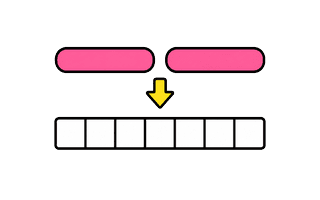
Count the Squares
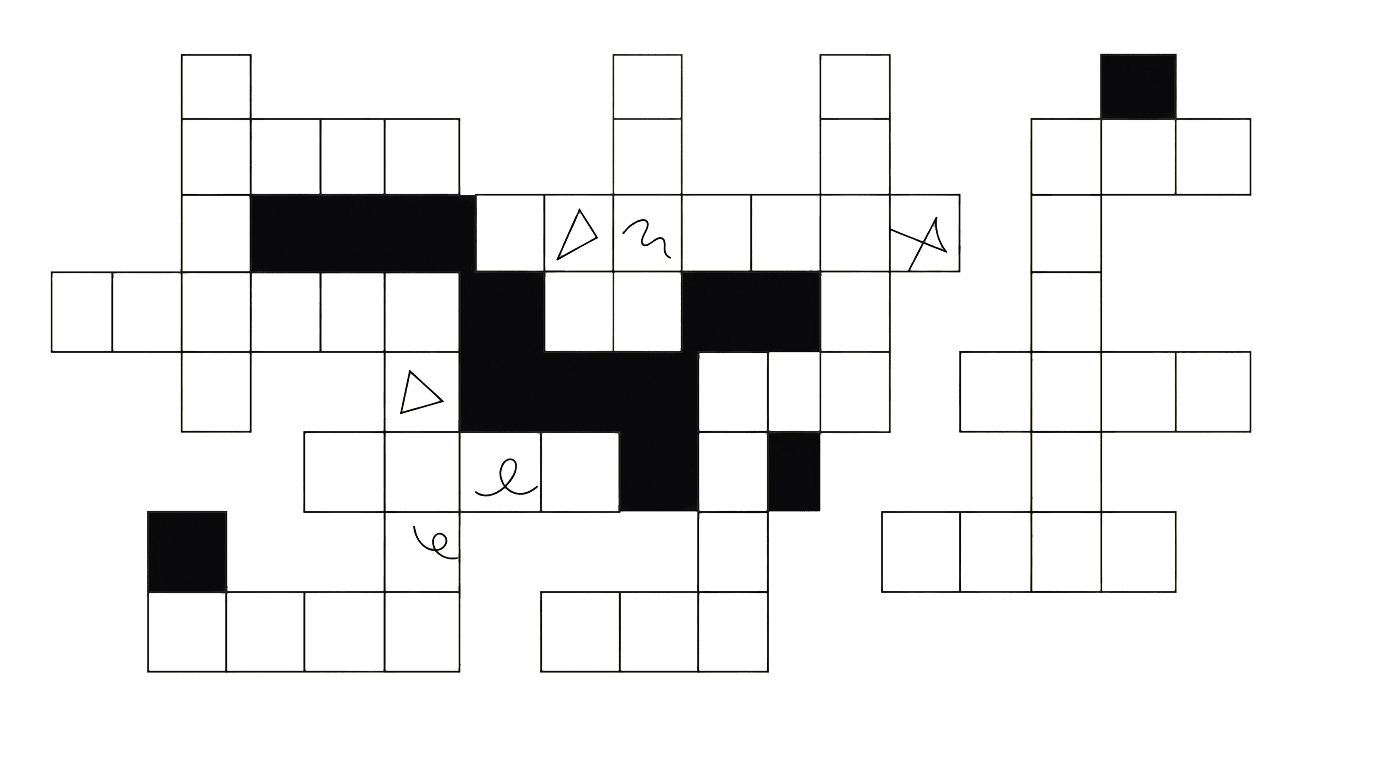
Start by counting squares. “New York” has seven letters when the space is removed, while “NY” has two. Those are different answer forms, not interchangeable spellings. The clue should give you a reason to choose the shorter form, such as an explicit abbreviation cue or a request for a postal abbreviation. Crossing letters provide an additional check.

Read Name and Initial Cues
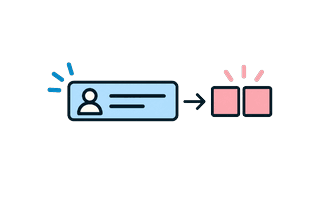
For a person's name, look for words such as “first name,” “surname,” or “initials.” Do not squeeze a full name into a space intended for one part of it. The same principle applies to organizations: a clue may request an acronym instead of an expanded name. If the instruction is unclear and several answers remain possible, that may be useful feedback for the editor.
Try Multiword Answers
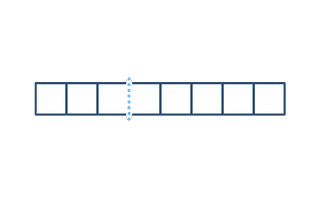
Multiword phrases usually run together in a standard grid. An eight-letter answer can therefore be two short words rather than one long word. Try mentally dividing a partially filled entry in different places. A pattern that looks unfamiliar as a single word can suddenly become obvious as a phrase.
Check Spelling Conventions
Punctuation and accented characters need consistent treatment. Follow any instructions supplied with the puzzle, and use the crossing letters to check the intended spelling. Regional spellings can also differ in length. Do not assume the version you use every day is the only legitimate one, but expect the puzzle to give a fair route to its chosen answer.
Learn from the Completed Grid
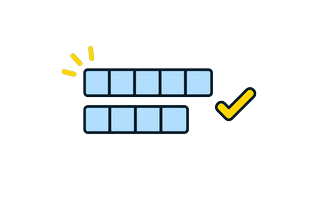
When you review a completed grid, notice the formatting signals that helped you. Learning to distinguish a fact from its required answer form makes future puzzles easier without requiring you to memorize a larger collection of trivia.