Start with What You Know
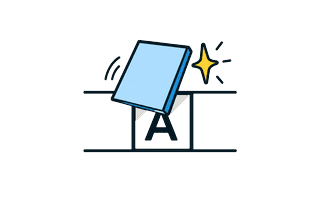
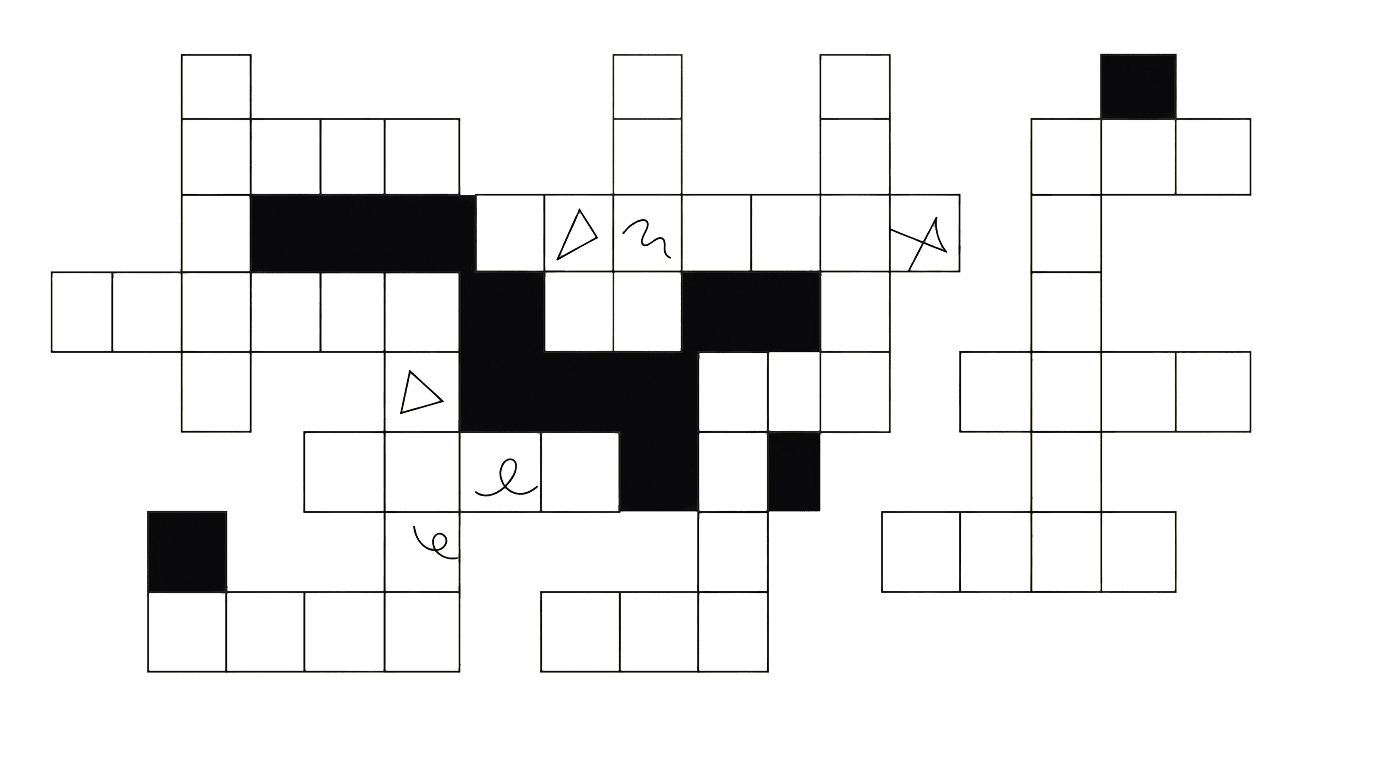
In a crossword, an answer does two jobs. It solves its own clue and contributes letters to the answers crossing it. That is why you can finish a trivia puzzle without knowing every fact at the start. A few secure answers can gradually make unfamiliar names recognizable.
Use Crossings to Test an Answer
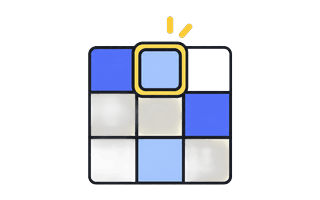
Begin with certainty rather than order. Suppose a four-letter entry is clued as “What a telescope helps you see in the night sky.” STAR may be a candidate, but the wording could be more precise. If you already have S, T and R from clear crossing answers, the remaining letter becomes much easier to place. The crossings support a candidate; they do not excuse an answer that fails to match the clue.
Reconsider Guesses
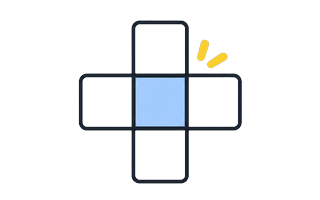
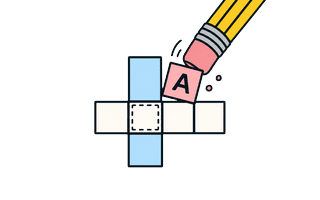
Separate firm entries from guesses in your own mind. A familiar word can feel correct merely because it fits the space. When several crossing clues stop making sense around one answer, reconsider that answer first. Erasing an attractive guess is often the fastest way to make progress.
Look for Useful Letters
Look for informative letters. A vowel may leave many possibilities, while an unusual consonant can narrow a name sharply. Word endings also help. A plural clue may point toward a plural answer, but do not assume every plural ends in S. A clue's grammar and the crossing letters should agree.

Move Around the Grid
Try moving between regions of the grid. Solving three easy entries in another corner can give you momentum and keep you from becoming attached to one mistaken interpretation. When you return, read the difficult clue again from the beginning. Ask what kind of answer it requests: a person, a place, an object, or an action.
Reveal Just Enough
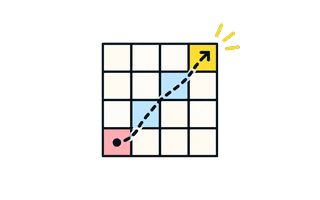
If you need assistance, reveal the smallest piece that helps you continue. Then use the new letter to reason through the neighboring answers. You will learn more from that process than from filling a whole section without checking why the answers belong there.