
Science & Nature
MediumThe Human Eye Crossword
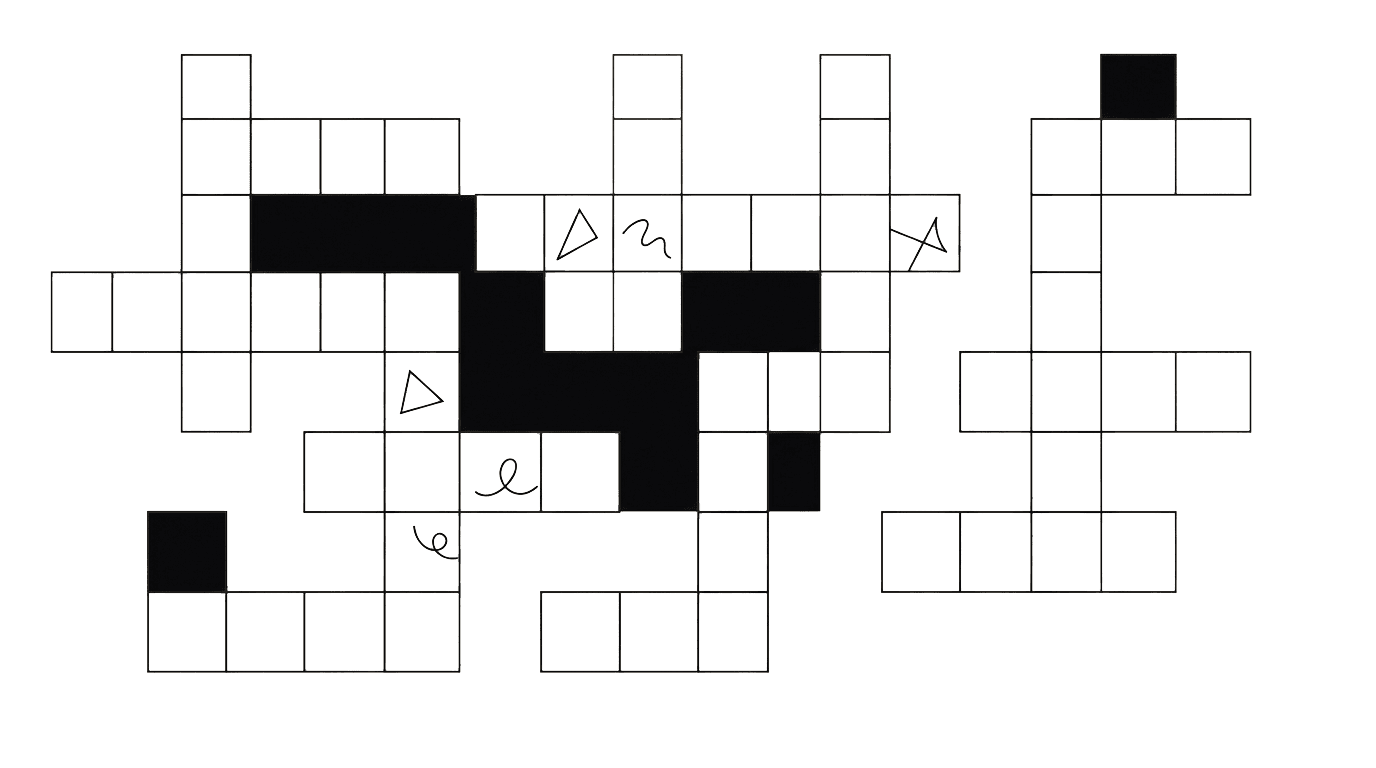
Category: Science & NatureDifficulty: Medium10 × 12
Sunday, November 1
Enter one letter per square. Answers run Across or Down. Omit spaces and accents; any special spelling convention is stated in the clue. This is a freeform themed grid, so some letters are not crossed.

About This Theme
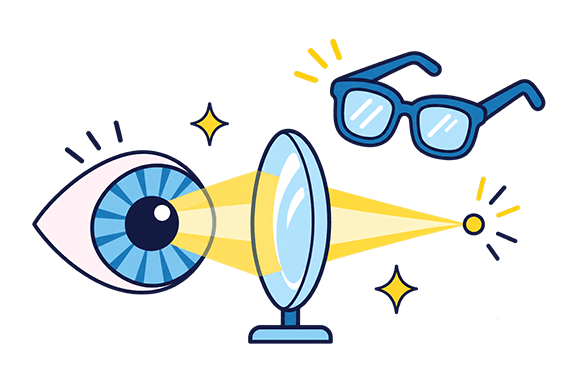
Seeing involves more than light entering an opening. Transparent structures guide it, sensitive cells respond to it, and signals carry information onward for the brain to interpret. This puzzle follows that route while also considering the eye's protective surfaces. It is an anatomy puzzle, so the clues name structures and basic functions rather than symptoms or treatments. Picture the eye in layers: an outer covering, an adjustable entrance, focusing structures, and a receiving surface at the back. That mental route can help organize terms that otherwise sound like an unrelated vocabulary list. How the Eyes Work | National Eye InstituteLinkedInXFacebookYouTube — Retina; Eye Anatomy: Parts of the Eye and How We See - American Academy of Ophthalmology — Iris
Clues
Across
- 3Opening in the iris through which light enters (5)
- 5Movable fold that closes over and protects the eye (6)
- 6Clear curved surface at the front of the eye (6)
- 7Light-sensitive tissue lining the back of the eye (6)
- 9Tough outer coat commonly called the white of the eye (6)
- 10Retinal photoreceptors especially useful in dim light (4)
- 11Clear internal structure that helps focus light on the retina (4)
Down
- 1Small central retinal area specialized for sharp detail (5)
- 2Bundle carrying visual signals from eye to brain, written as one word (10)
- 4Colored ring that controls the size of the pupil (4)
- 6Photoreceptors responsible for color vision in brighter conditions (5)
- 8Fluid that lubricates and helps protect the eye's surface (5)
Answers and Explanations
After Your Solve
A camera analogy is useful only up to a point. The pupil is an opening, the iris controls its size, and the lens helps focus light, but the retina is living neural tissue rather than a passive screen. Rods and cones contribute differently to vision, and the optic nerve carries signals onward. The supporting parts matter too: tears and eyelids help maintain the surface through which light first travels. Vision is the combined work of these structures and the brain. How the Eyes Work | National Eye InstituteLinkedInXFacebookYouTube — Retina; Eye Anatomy: Parts of the Eye and How We See - American Academy of Ophthalmology — Iris
- 3 acrossPUPIL
The pupil lets light pass farther into the eye. It is not a separate solid structure, which explains why its apparent size changes as the iris moves. How the Eyes Work | National Eye InstituteLinkedInXFacebookYouTube — Pupil
- 5 acrossEYELID
An eyelid protects the eye and helps spread tears during blinking. It is part of the supporting protective system rather than the eye's light-sensing tissue. Eye Anatomy: Parts of the Eye and How We See - American Academy of Ophthalmology — Eyelid
- 6 acrossCORNEA
The cornea admits and bends incoming light. It works with the lens to focus, rather than serving only as a transparent protective window. How the Eyes Work | National Eye InstituteLinkedInXFacebookYouTube — Cornea
- 7 acrossRETINA
The retina contains cells that convert light into electrical signals. It begins processing visual information rather than simply displaying an image like a projection screen. How the Eyes Work | National Eye InstituteLinkedInXFacebookYouTube — Retina
- 9 acrossSCLERA
The sclera forms much of the eye's outer wall. It differs from the transparent cornea at the front, even though both are parts of the outer covering. Eye Anatomy: Parts of the Eye and How We See - American Academy of Ophthalmology — Sclera
- 10 acrossRODS
Rods are highly sensitive to low light levels. They do not provide the same color information as cones, which helps explain why colors are harder to distinguish at night. Eye Anatomy: Parts of the Eye and How We See - American Academy of Ophthalmology — Rods
- 11 acrossLENS
The lens works with the cornea to focus light. Its position behind the iris distinguishes it from the clear front surface visible from outside. How the Eyes Work | National Eye InstituteLinkedInXFacebookYouTube — Lens
- 1 downFOVEA
The fovea lies at the center of the macula, where vision is sharpest. It is a specialized part of the retina rather than a separate focusing lens. About the Eye | National Eye InstituteLinkedInXFacebookYouTube — Fovea and macula
- 2 downOPTICNERVE
The optic nerve carries signals generated in the retina toward the brain. The grid omits the space, but the anatomical name remains optic nerve. How the Eyes Work | National Eye InstituteLinkedInXFacebookYouTube — Opticnerve
- 4 downIRIS
The iris changes the diameter of the central opening. Eye color belongs to this tissue, while the dark-looking pupil is an opening rather than a colored disk. Eye Anatomy: Parts of the Eye and How We See - American Academy of Ophthalmology — Iris
- 6 downCONES
Cones support color vision and fine detail under suitable lighting. Different cone types respond differently across wavelengths, and their combined signals contribute to color perception. Eye Anatomy: Parts of the Eye and How We See - American Academy of Ophthalmology — Cones
- 8 downTEARS
Tears help keep the eye's surface smooth and moist. They are present during ordinary blinking, so their role extends beyond the visible flow associated with crying. Eye Anatomy: Parts of the Eye and How We See - American Academy of Ophthalmology — Tears
About Eric Allred
Puzzle writing, factual review and editorial direction
Eric Allred started Triviosity after seeing how much his dad and his dad's partner enjoyed morning trivia on their iPad. A board-game fan since childhood, he brings several years of experience building a performance marketing agency to the solver experience. Eric is responsible for puzzle writing, factual review and editorial decisions, and reviews puzzles with AI assistance after they are created.
More about Eric AllredSuggest a correctionMore Puzzles
Science & Nature
HardSpace Crossword: Early Spaceflight
Play Space Crossword: Early Spaceflight
Keep a little curiosity in your inbox
Join the Triviosity newsletter for puzzle links and new themes. You can unsubscribe at any time.