
Music & Performance
HardOn the Dance Floor Crossword
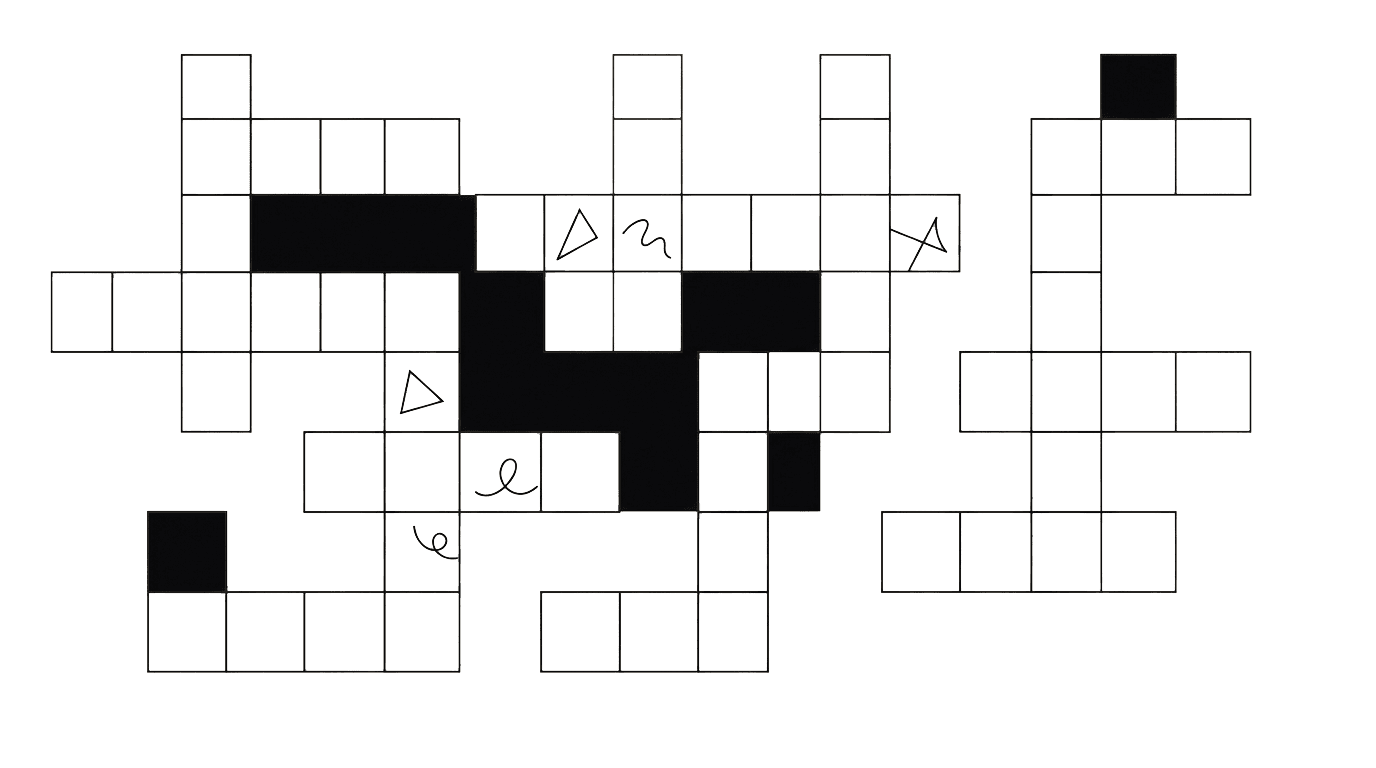
Category: Music & PerformanceDifficulty: Medium12 × 13
Tuesday, November 10

Enter one letter per square. Answers run Across or Down. Omit spaces and accents; any special spelling convention is stated in the clue. This is a freeform themed grid, so some letters are not crossed.

About This Theme
Partner dances are recognizable through a combination of rhythm, movement, and convention. A name may refer both to a social tradition and to a carefully defined competition form. This puzzle uses familiar ballroom vocabulary while leaving room for those differences. Some clues identify dances; others concern how partners organize their movement. Listen to the implied rhythm and notice the exact style named in the clue. A competition category is a useful label, but it should not be mistaken for a complete description of a dance's cultural history. Simple Guide To 10 Traditional Dances: Ballroom Dance For Beginners — Descriptions of the named ballroom dances; Standard Ballroom Dance Lessons Alhambra | 5 Easy Styles — Standard ballroom posture and frame
Clues
Across
- 4Relationship between a dancer's steps and the music's beat (6)
- 5Planned arrangement of movements in a dance (12)
- 7Maintained upper-body arrangement through which partners connect (5)
- 8Standard ballroom dance sharing its name with an Argentine social tradition (5)
- 10Brazilian-associated dance name also used for an international Latin style (5)
- 11Turn made around a supporting point or foot (5)
Down
- 1Latin dance named for a characteristic rhythmic pattern, without a hyphen (6)
- 2Fast Standard ballroom dance known for lively traveling movement (9)
- 3Lively international Latin dance with swing-related roots (4)
- 6International Latin dance often characterized by controlled, expressive movement (5)
- 7Smooth ballroom dance whose name combines an animal with a gait (7)
- 9Ballroom dance associated with a one-two-three count (5)
Answers and Explanations
After Your Solve
In international DanceSport, Standard and Latin are technical categories containing specified dances. Those labels do not mean that every dance performed in a ballroom belongs to one of them, or that competition versions encompass every social tradition sharing their names. The movement terms provide another perspective. Frame supports communication between partners, timing relates steps to music, and choreography organizes a sequence. A dance emerges from the interaction of those elements rather than from memorizing its title alone. Simple Guide To 10 Traditional Dances: Ballroom Dance For Beginners — Descriptions of the named ballroom dances; Standard Ballroom Dance Lessons Alhambra | 5 Easy Styles — Standard ballroom posture and frame
- 4 acrossTIMING
Timing concerns when movement occurs in relation to the music. A correctly remembered step sequence can still lose its character if that relationship is missing. Merriam-Webster — Timing
- 5 acrossCHOREOGRAPHY
Choreography organizes movement into a sequence. It differs from improvisation, although a performance can combine prepared material with choices made in the moment. Merriam-Webster — Choreography
- 7 acrossFRAME
Frame is the maintained upper-body arrangement used in partnering. Together with posture and connection, it supports the coordinated travel characteristic of Standard ballroom dancing. Standard Ballroom Dance Lessons Alhambra | 5 Easy Styles — Standard ballroom posture and frame
- 8 acrossTANGO
Ballroom tango and Argentine tango are related but distinct practices. The clue identifies the shared name without implying their technique or performance conventions are identical. Simple Guide To 10 Traditional Dances: Ballroom Dance For Beginners — Descriptions of the named ballroom dances
- 10 acrossSAMBA
Competitive samba is a defined ballroom style. Its name and influences connect with Brazil, but it should not stand in for every Brazilian samba tradition. 4 Popular Types Of Latin Dances: How To Tell The Difference - Fred Astaire — International Latin styles
- 11 acrossPIVOT
A pivot involves rotation around support. The exact technique depends on the dance, so the general term identifies an action without prescribing one universal foot pattern. Learn to Dance the Slow Waltz Reverse Pivot with BallroomDancers.com! — Reverse Pivot: rotation and supporting foot
- 1 downCHACHA
Cha-cha is also called cha-cha-cha. The grid uses the shorter five-letter form, making the stated spelling convention important for the answer's length. 4 Popular Types Of Latin Dances: How To Tell The Difference - Fred Astaire — International Latin styles
- 2 downQUICKSTEP
Quickstep is one of the five international Standard dances. Its lively character distinguishes it from slow foxtrot, even though both involve traveling around the floor. Simple Guide To 10 Traditional Dances: Ballroom Dance For Beginners — Descriptions of the named ballroom dances
- 3 downJIVE
Jive belongs to the international Latin competition group despite its swing-related history. That placement shows why a competition category is not a simple geographic origin label. Simple Guide To 10 Traditional Dances: Ballroom Dance For Beginners — Descriptions of the named ballroom dances
- 6 downRUMBA
International rumba belongs to the Latin ballroom group. Its controlled hip movement and expressive character distinguish it within a category that also includes faster, more energetic dances. 4 Popular Types Of Latin Dances: How To Tell The Difference - Fred Astaire — International Latin styles
- 7 downFOXTROT
Foxtrot combines walking and gliding actions within its ballroom form. The animal-and-gait wordplay helps identify the name without pretending it explains the dance's full history. Simple Guide To 10 Traditional Dances: Ballroom Dance For Beginners — Descriptions of the named ballroom dances
- 9 downWALTZ
A waltz uses triple meter, giving its basic count three beats. Slow and Viennese versions differ in character and speed, so the name covers more than one ballroom form. Simple Guide To 10 Traditional Dances: Ballroom Dance For Beginners — Descriptions of the named ballroom dances
About Eric Allred
Puzzle writing, factual review and editorial direction
Eric Allred started Triviosity after seeing how much his dad and his dad's partner enjoyed morning trivia on their iPad. A board-game fan since childhood, he brings several years of experience building a performance marketing agency to the solver experience. Eric is responsible for puzzle writing, factual review and editorial decisions, and reviews puzzles with AI assistance after they are created.
More about Eric AllredSuggest a correctionMore Puzzles
Music & Performance
EasyOrchestra Crossword: Orchestra Vocabulary
Play Orchestra Crossword: Orchestra Vocabulary


Keep a little curiosity in your inbox
Join the Triviosity newsletter for puzzle links and new themes. You can unsubscribe at any time.